HyperChecker
Send an Instagram Reel by DM and this agent checks the developer tools it mentions against public sources, then replies. Code sets the verdict from measurements; the LLM only finds evidence in the source text. Posts are isolated as untrusted input, tools under review are never executed, and it is evaluated on 32 human-labeled cases with a holdout set, with limits published.
opsmith
A personal operating layer for Claude Code: rules live in always-injected documents, memory stays local, and verification goes to a model from another vendor. Idempotent install that merges existing settings after a backup. Absorbs the ccpilot orchestration toolkit as an optional module.
hwpx-toolkit
A Claude Code · Codex skill that reads and edits 한글 (HWPX) files without corrupting them. Scripts make deterministic edits while the model only decides; it never overwrites the original, applies text replacements only when the anchor matches exactly once in the paragraph, and validates the XML.
Bridge
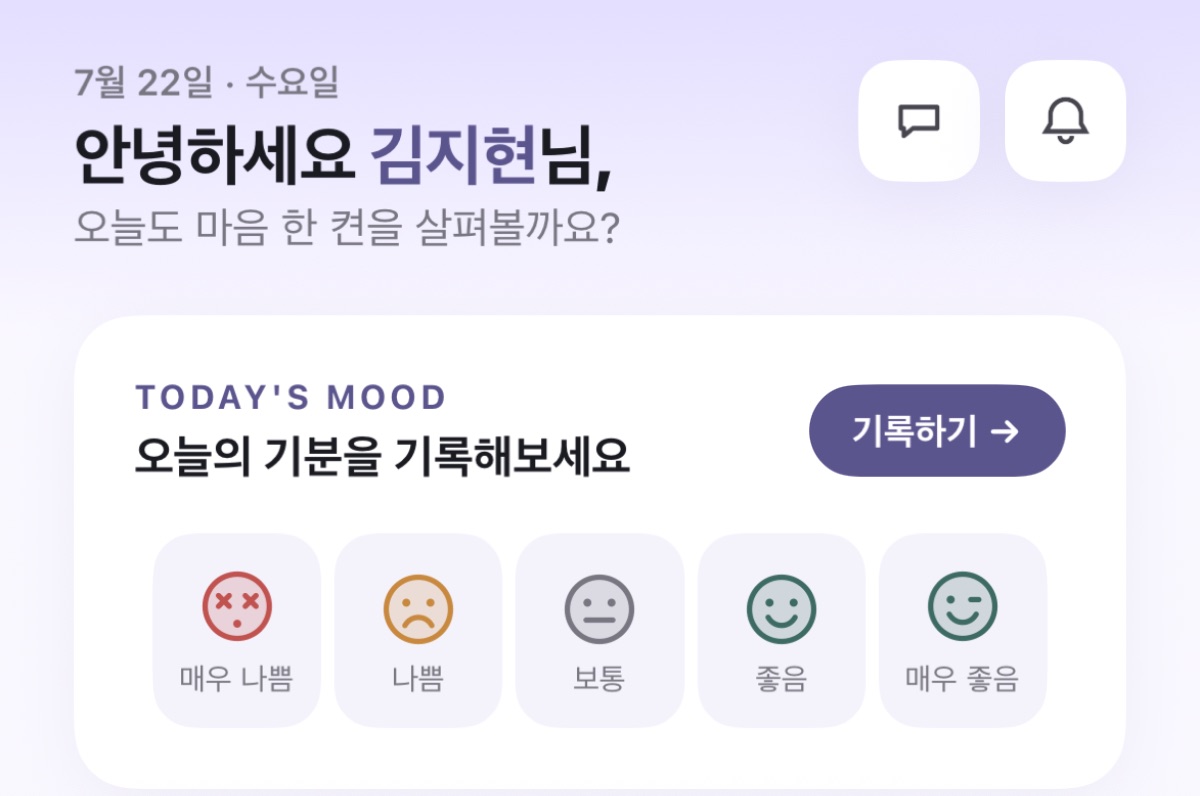
A digital emotional-wellness app for young adults (19–34), scoped as a non-diagnostic, non-medical-device tool. Three LLM guardrails — an input crisis filter before any model call, an output crisis check, and an output banned-phrase check — with no claims about detection accuracy or efficacy.
sch-meet
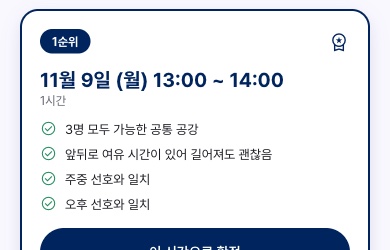
A timetable-based meeting scheduler for Soonchunhyang students, with rule-based slot scoring. As project lead I owned server deployment and security settings; the service is exposed only through a Cloudflare tunnel and CI runs dependency audits.
clasp
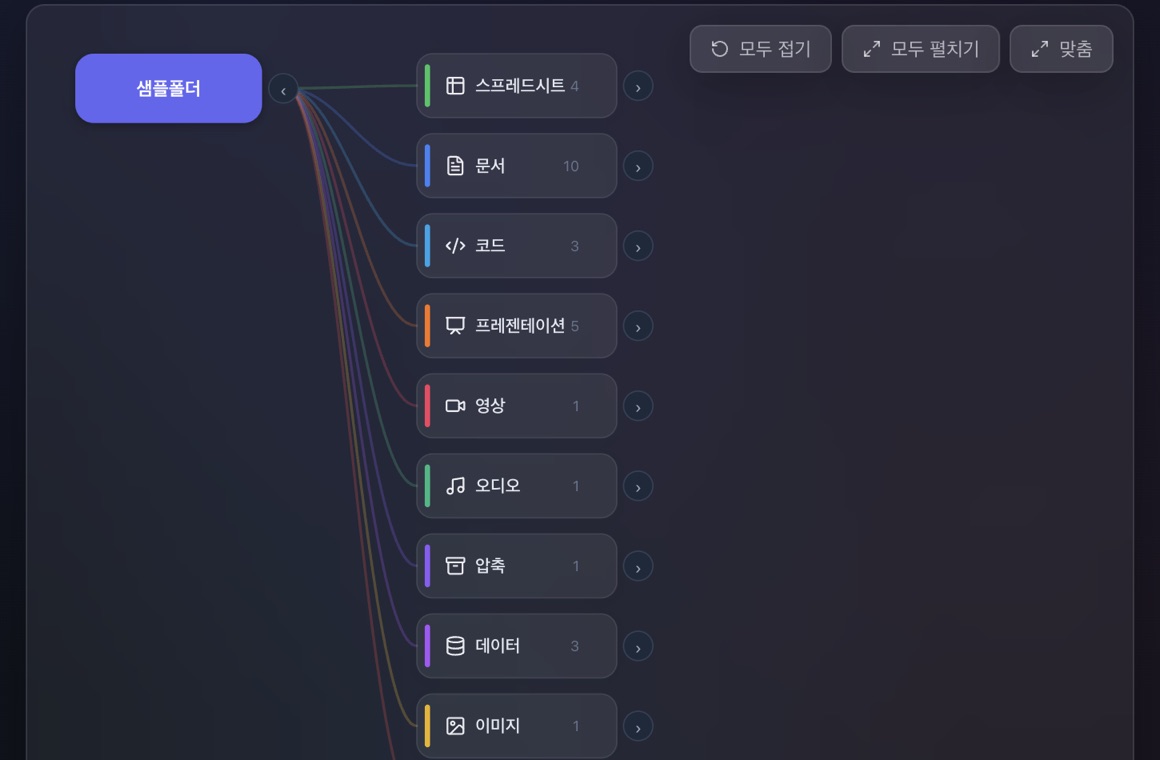
A privacy-first desktop app that classifies local files and shows them as a mind map. File contents go only to a loopback LLM, whose output is treated as untrusted (allow-list plus a confidence cap). No code path overwrites files, and it ships a read-only MCP server with no file-moving tools.
ISLab Platform
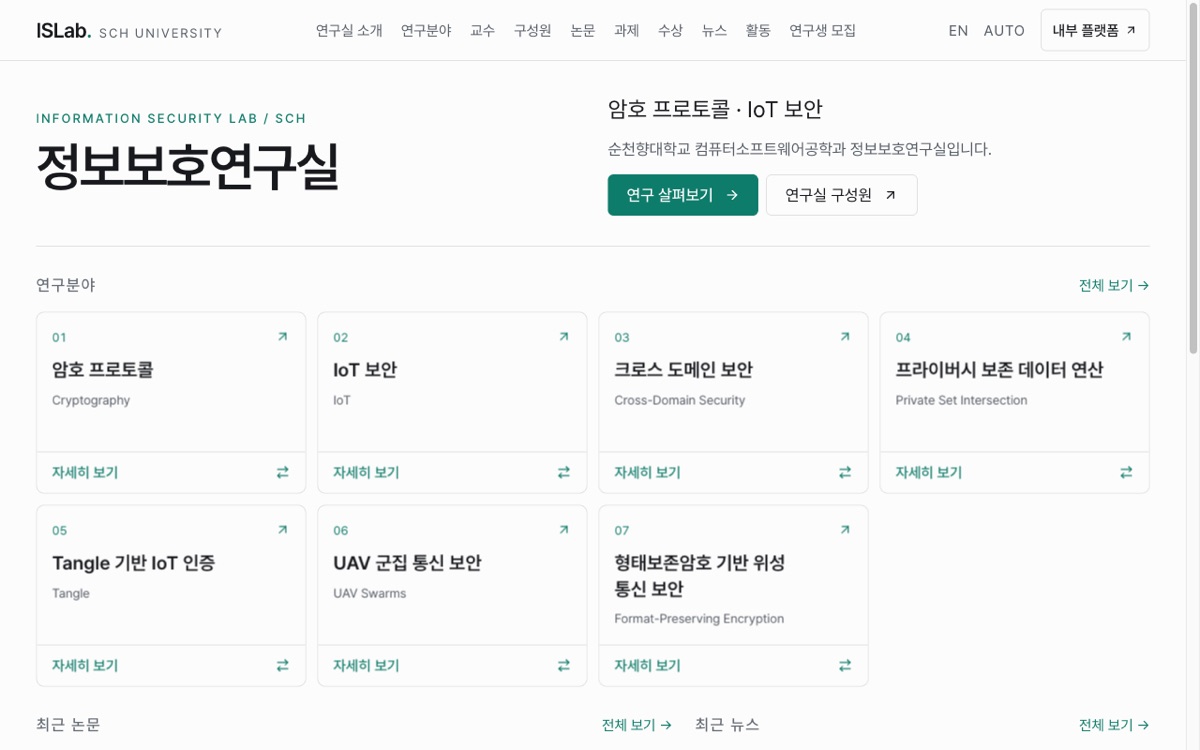
One Next.js app that serves both the lab's public website and its internal platform, split by role. Internally it handles seminars, slide feedback, and AI analysis; Supabase RLS enforces permissions, and it deploys to the lab's own k3s server.
humanize-korean-formal
A Claude Code skill that turns figurative or colloquial wording in reports and official documents into formal terms and smooths choppy sentence flow. It shows a candidate table first and changes only what the user picks, then checks numbers, Latin text, and quotes with a script instead of an LLM. An unofficial derivative of epoko77-ai/im-not-ai (MIT).
KeylessPlay
A reference streaming gateway modeled on the Widevine L3 threat model: the content key (CEK) goes only as far as the edge, never to the client. It neither modifies nor calls the real Widevine CDM. It does not stop key extraction; per-session re-encryption narrows what an extracted key can do. Implements my DRM paper (CISC-S'26), with a Tamarin formal model.
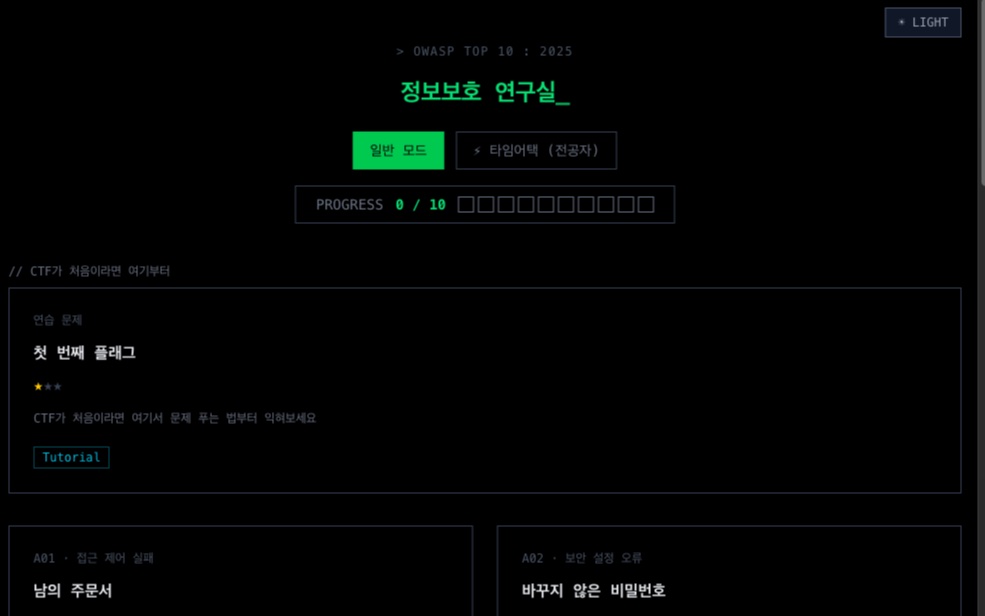
Hedgehog WebCTF
A hands-on web-hacking CTF built around the OWASP Top 10:2025, with 21 challenges I authored for beginners, majors, and practice. Vulnerabilities are simulated with no real database or shell, outbound traffic is blocked, and the build checks bundles for leaked flags.
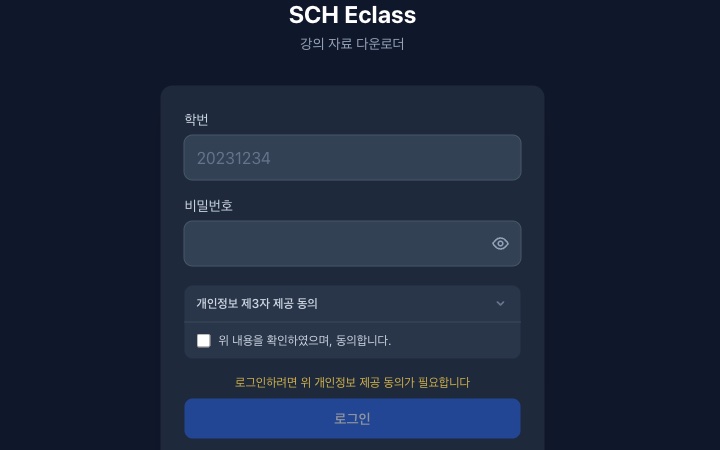
ClassFileAuto
A web app that bulk-downloads course materials from the campus LMS. Credentials are RSA-encrypted in transit and the password is never stored on the server or in the session; a campus-domain allow-list blocks SSRF and login attempts are rate-limited.
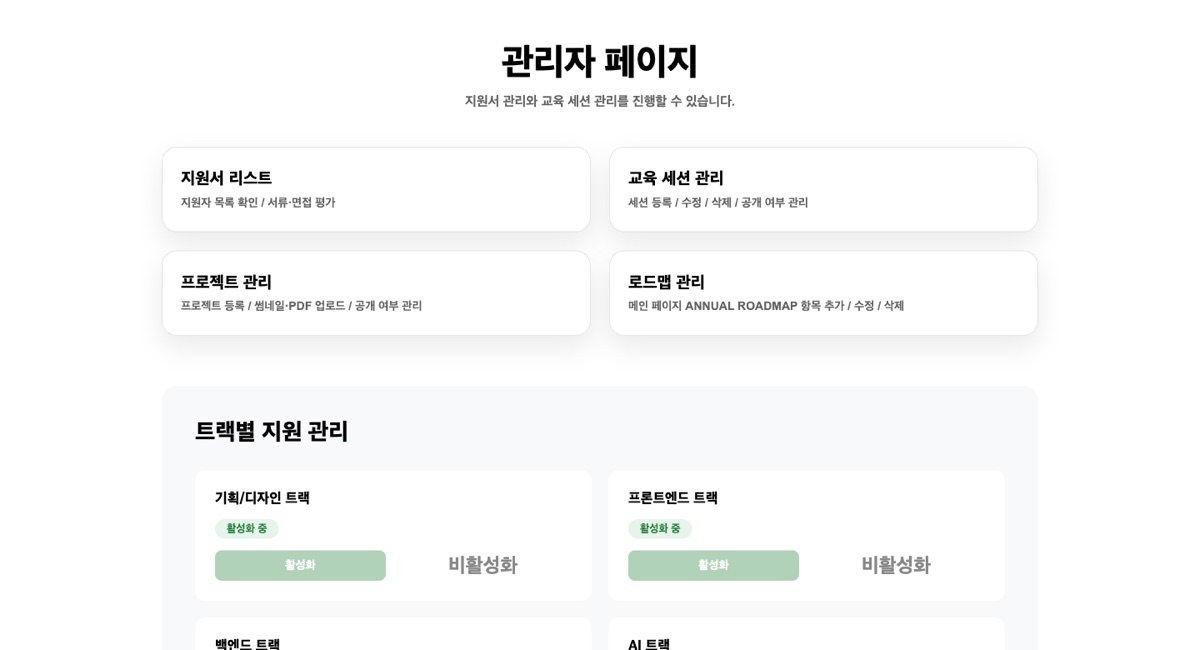
LikeLion SCH Platform
Recruiting, screening, and education platform for LikeLion SCH's 14th cohort. I handled development and operations except design; the service was retired in July 2026. Hashed verification codes, CSRF protection, rate limiting, and upload signature checks.